The Samburu Special Five: Northern Kenya’s Wildlife Treasures
When planning a Kenyan safari, most travelers dream of spotting the famous Big Five. However, experienced safari enthusiasts know that northern Kenya offers an equally exciting wildlife experience through the Samburu Special Five.
Found primarily in the arid and semi-arid landscapes of northern Kenya, these unique animals have adapted to survive in harsh conditions and are rarely seen elsewhere in East Africa. For wildlife photographers, nature lovers, and safari adventurers, spotting the Samburu Special Five is a highlight of any visit to Samburu National Reserve.
What Are the Samburu Special Five?
The Samburu Special Five consists of:
- Reticulated Giraffe
- Grevy’s Zebra
- Somali Ostrich
- Gerenuk
- Beisa Oryx
These species are specially adapted to the dry ecosystems of northern Kenya and neighboring regions, making Samburu one of the best safari destinations for wildlife enthusiasts seeking something beyond the traditional safari experience.
1. Reticulated Giraffe
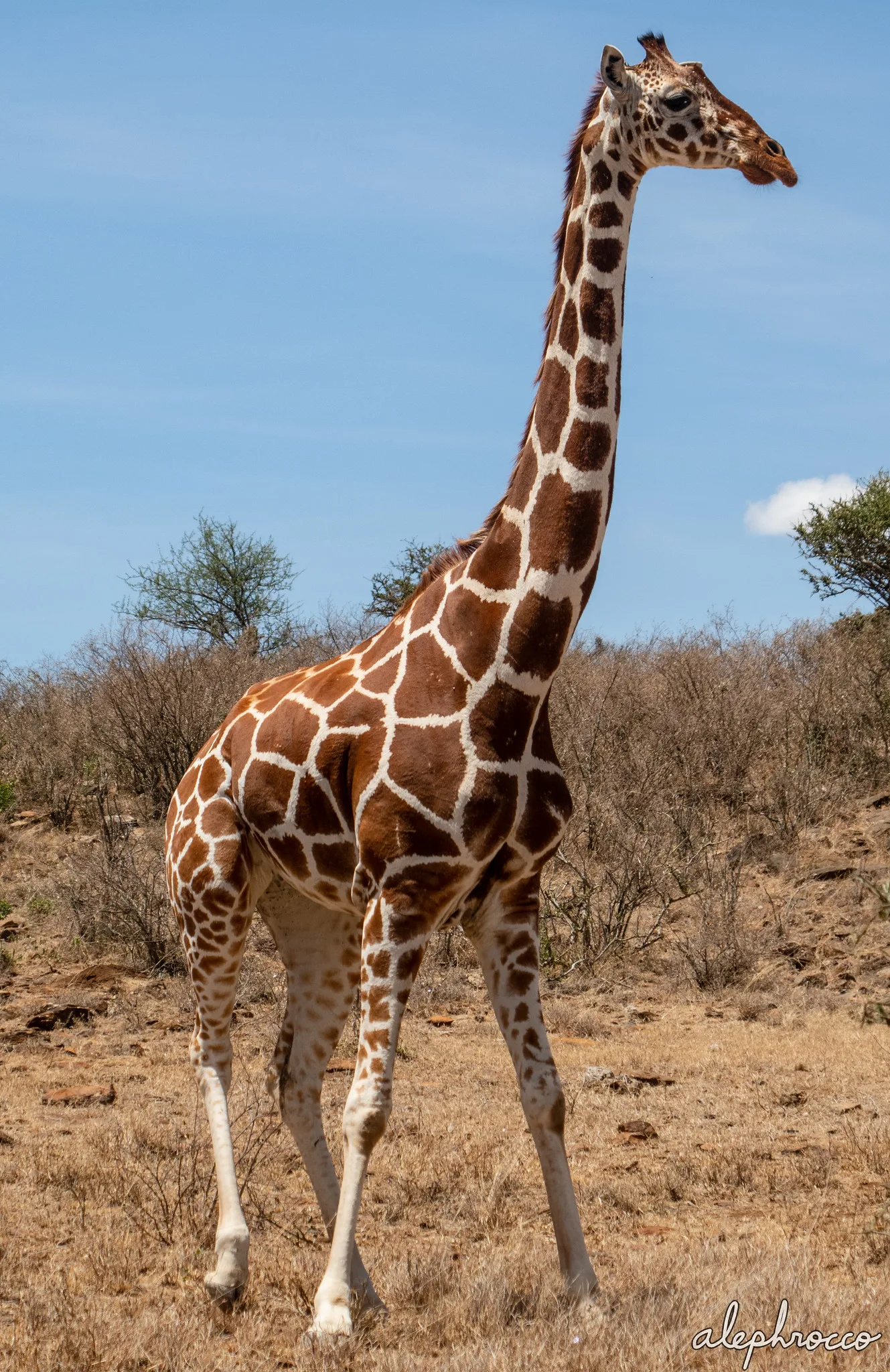
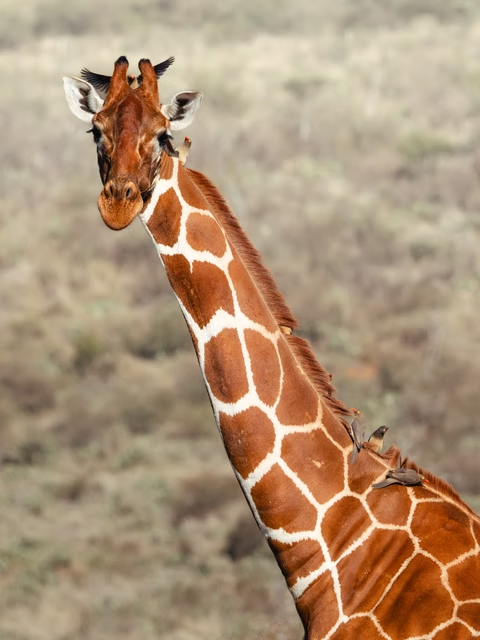
The Reticulated Giraffe is arguably one of the most beautiful giraffe species in Africa. It is easily recognized by its striking coat pattern featuring large polygonal patches separated by bright white lines.
Key Characteristics
- Distinctive geometric markings
- Can reach heights of nearly 6 meters
- Native to northern Kenya, southern Ethiopia, and Somalia
- Often found browsing on acacia trees
Why Tourists Love Seeing It
The Reticulated Giraffe is one of the most photographed animals in Samburu due to its unique appearance and elegant movements across the savannah.
2. Grevy’s Zebra
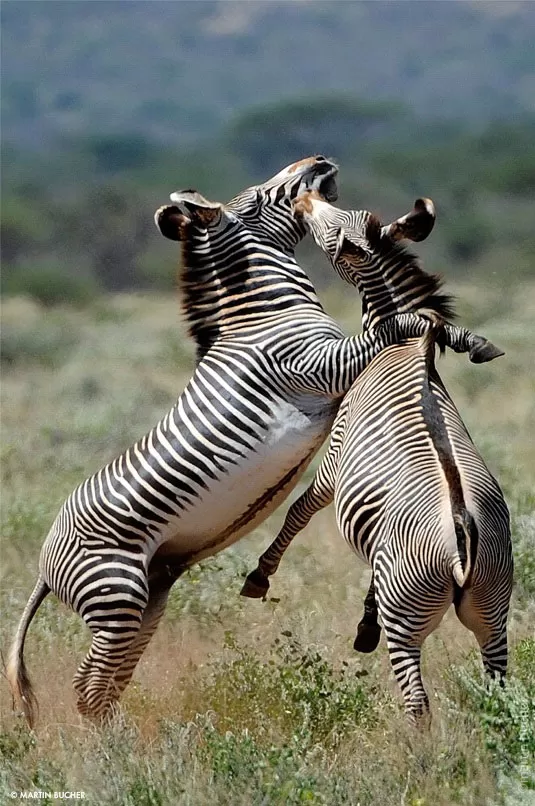
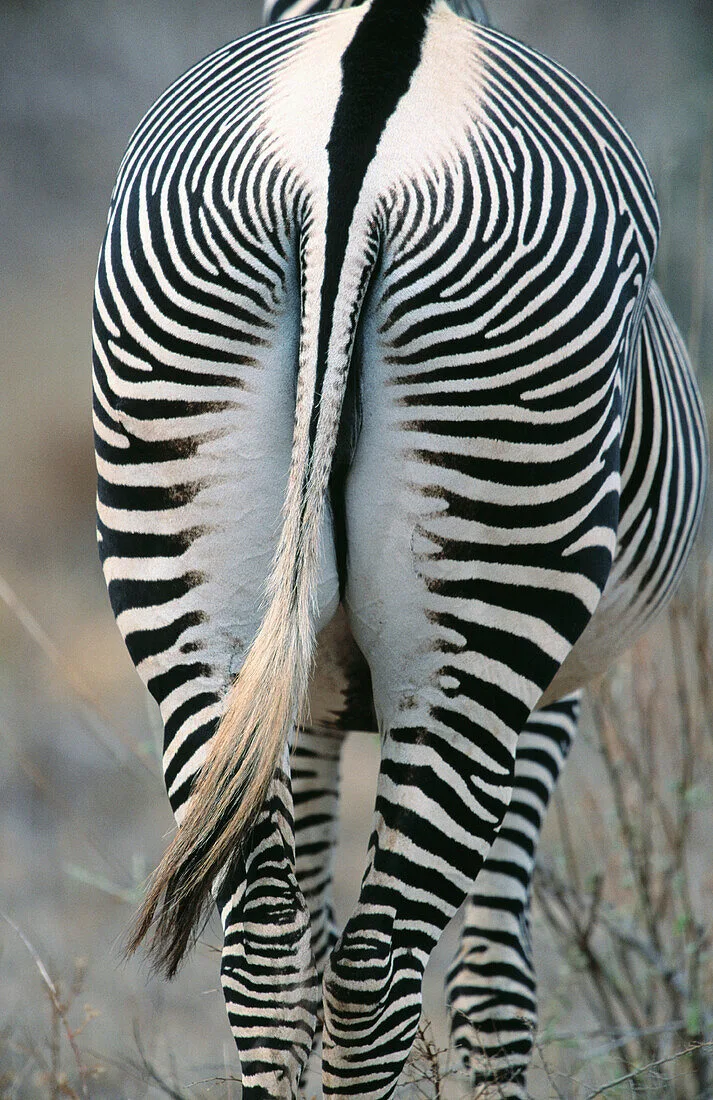
The Grevy’s Zebra is the largest and rarest zebra species in the world. Unlike the more common plains zebra, Grevy’s Zebra has narrower stripes, larger ears, and a white belly.
Key Characteristics
- World’s largest zebra species
- Narrow stripes extending throughout the body
- Large rounded ears
- Endangered species
Conservation Importance
Northern Kenya is one of the last strongholds for Grevy’s Zebra populations, making Samburu National Reserve a crucial destination for conservation-focused tourism.
3. Somali Ostrich
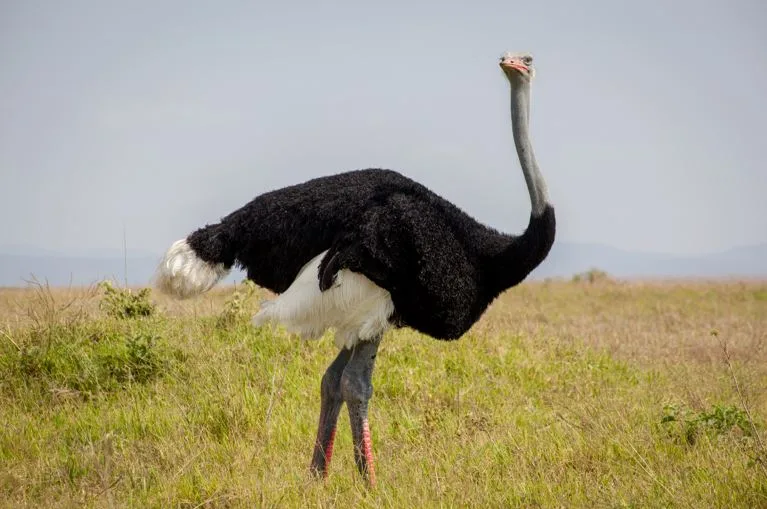
The Somali Ostrich stands out from other ostriches due to its distinctive blue-grey neck and legs.
Key Characteristics
- Blue skin on neck and legs
- Native to the Horn of Africa
- Larger and heavier than many visitors expect
- Often seen in open scrubland
A Unique Safari Sighting
For years, many people assumed it was simply another ostrich species. However, it is now recognized as a distinct species and one of the wildlife stars of northern Kenya.
4. Gerenuk
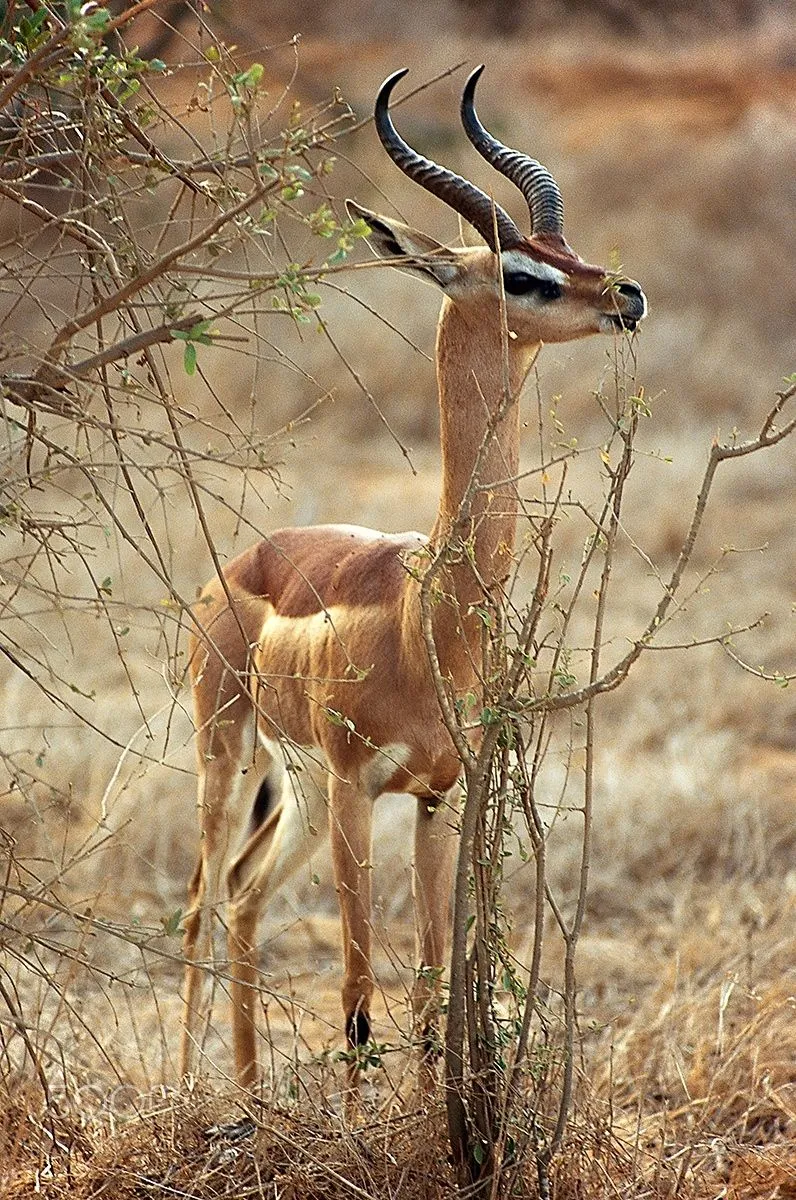
Perhaps the most unusual member of the Samburu Special Five is the Gerenuk, often referred to as the “giraffe gazelle.”
Key Characteristics
- Long neck and slender body
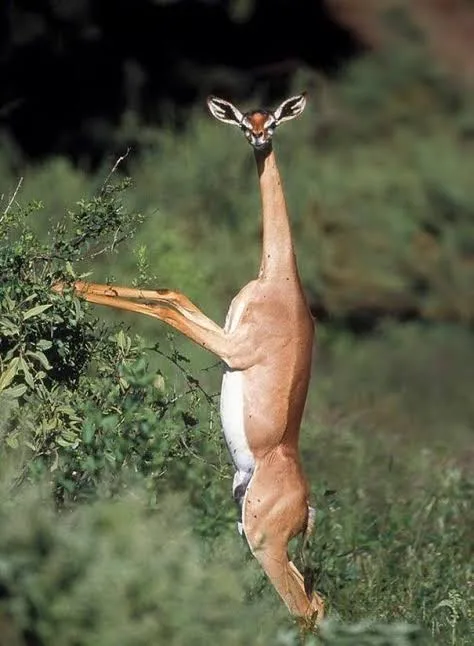
- Feeds while standing upright on hind legs
- Highly adapted to dry environments
- Rarely needs direct access to water
Why It’s Unique
The Gerenuk’s ability to stand vertically to browse leaves from shrubs and trees makes it one of Africa’s most fascinating antelope species and a favorite among photographers.
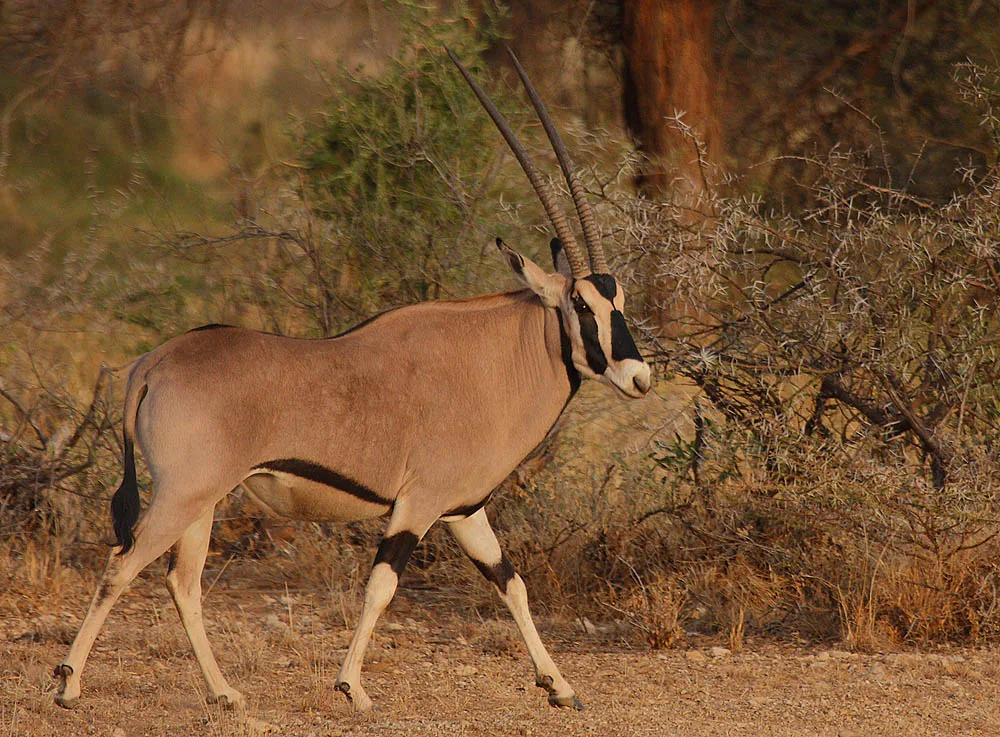
5. Beisa Oryx
The Beisa Oryx is a striking antelope known for its long, spear-like horns and bold facial markings.
Key Characteristics
- Long straight horns
- Distinct black-and-white face patterns
- Excellent adaptation to arid environments
- Can survive long periods without drinking water
A Symbol of Northern Kenya
The Beisa Oryx embodies the resilience of Samburu’s wildlife, thriving in landscapes where many other species would struggle to survive.
Samburu National Reserve
Located in northern Kenya, Samburu National Reserve is widely regarded as the best destination for viewing all five species during a single safari.
Why Samburu Is Special
- Lower tourist numbers than the Maasai Mara
- Diverse landscapes and stunning scenery
- Rich cultural experiences with the Samburu people
- Exceptional wildlife viewing year-round
The reserve is situated along the Ewaso Nyiro River, a vital water source that attracts an incredible variety of wildlife.
Best Time to See the Samburu Special Five
Wildlife viewing is excellent throughout the year, but the best months are typically:
- June to October (Dry Season)
- December to March (Dry Season)
During these periods, animals congregate around water sources, making sightings easier and photography conditions ideal
Photography Tips for the Samburu Special Five
To capture memorable wildlife photos:
- Use early morning or late afternoon light
- Bring a telephoto lens (200mm-600mm)
- Keep your camera ready near river crossings
- Focus on animal behavior, not just portraits
- Travel with an experienced Samburu guide
The unique appearance of these animals makes them exceptional photography subjects
Why the Samburu Special Five Should Be on Every Safari Bucket List
While Kenya’s Big Five remain a major attraction, the Samburu Special Five offer a completely different wildlife experience. These rare and highly adapted animals showcase the incredible biodiversity of northern Kenya and provide safari sightings that many travelers never forget.
For visitors seeking a more exclusive safari, fewer crowds, and the opportunity to discover species found nowhere else in most of East Africa, Samburu National Reserve is the perfect destination.
Final Thoughts
The Samburu Special Five represent some of Africa’s most unique wildlife. From the elegant Reticulated Giraffe and endangered Grevy’s Zebra to the extraordinary Gerenuk and majestic Beisa Oryx, these animals make northern Kenya a truly remarkable safari destination.
If you’re planning a Kenyan adventure, be sure to include Samburu National Reserve in your itinerary and experience the thrill of spotting all five members of this extraordinary wildlife collection.